
Hydraulic Motor Teardown & Should Cost Analysis
Deep-dive teardown and cost analysis of an axial piston variable hydraulic motor. Comprehensive BOM, weight Pareto, and should-cost estimation at INR 27,550 manufacturing cost.
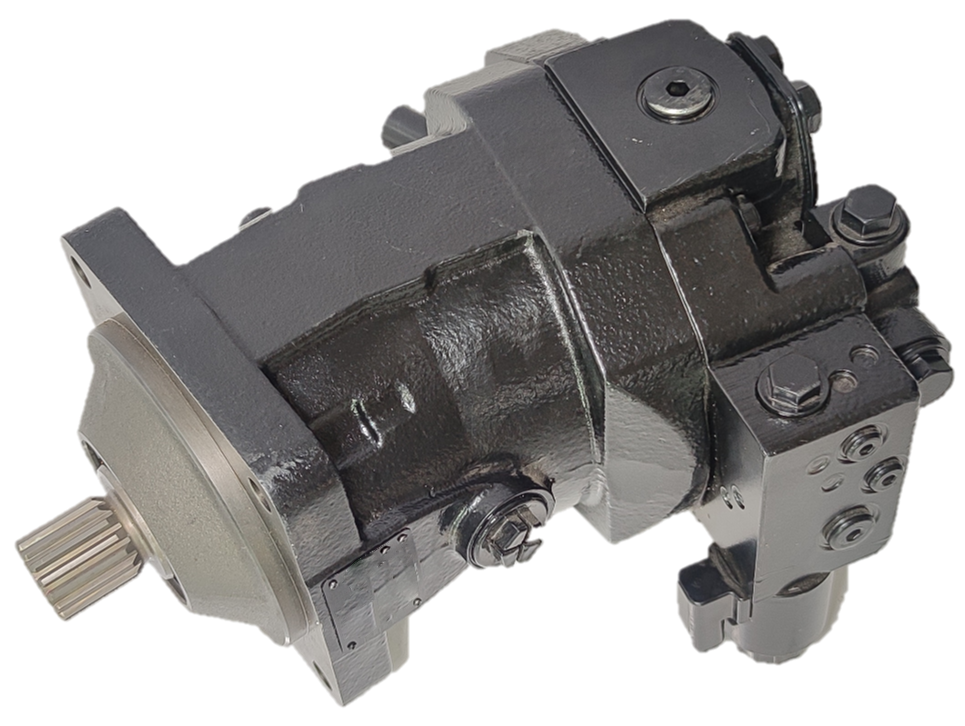
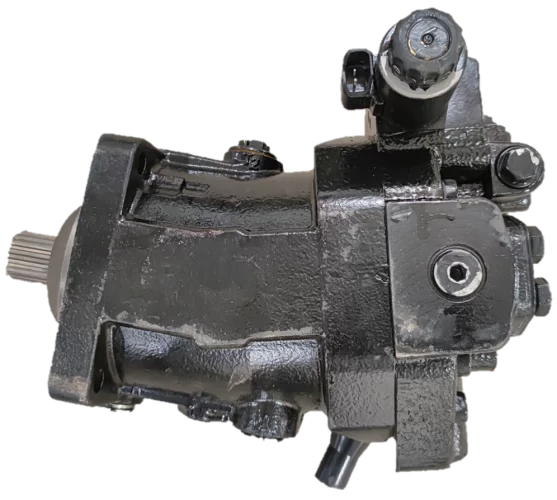
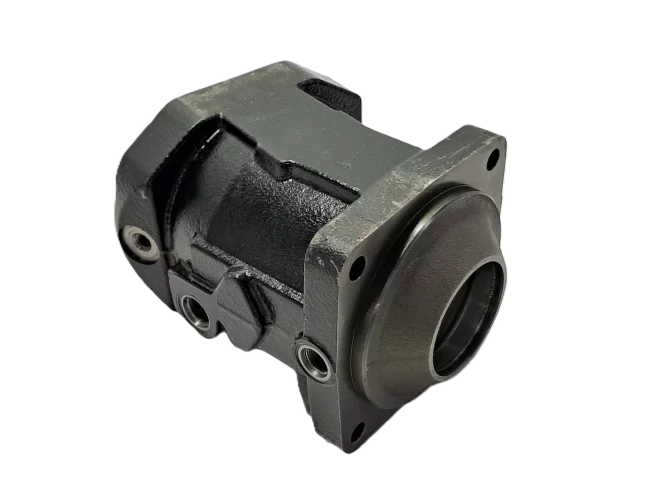
Comprehensive teardown and should cost analysis analysis of an axial piston variable hydraulic motor (Rexroth). Mapped all part attributes, materials, and manufacturing processes with Bill of Material analysis.
To demonstrate xcPEP platform capabilities and provide actionable insights for hydraulic motor cost optimization, value engineering, and strategic sourcing for off-highway vehicle applications.
Axial Piston Variable Motor used in excavators, loaders, skid steers, harvesters, and mining equipment. Variable displacement, up to 450 bar continuous pressure, bent-axis design.
Internal component breakdown with material insights. BOM analysis and weight Pareto. Manufacturing category-wise weight vs count. Should cost drivers and category-wise cost analysis. Strategic optimization opportunities.


01Introduction & Fundamentals
Introduction: The Strategic Imperative of Hydraulic Motor Teardown and Should Cost Analysis
Hydraulic motors stand as foundational components across a myriad of heavy-duty applications, particularly within the demanding realm of off-highway vehicles such as excavators, loaders, harvesters, and mining machinery. These vital actuators are engineered to convert hydraulic pressure into mechanical energy, efficiently delivering the torque and rotation indispensable for driving complex machinery. In an increasingly competitive global market, understanding the intricacies of these components, both mechanically and economically, is not merely advantageous but strategically imperative.
This report details a comprehensive study of a hydraulic motor, conducted entirely in-house by ASI Engineering. The primary objective of this analysis was to demonstrate the robust capabilities of the xcPEP® platform, utilizing an independently procured product for an unbiased assessment. This methodology, encompassing both a thorough teardown and a meticulous should cost analysis, provides a dual benefit for organizations. The teardown offers granular insights into design and construction, revealing the physical architecture and material choices. Concurrently, the should cost analysis translates these physical attributes into precise financial implications, offering a clear understanding of manufacturing expenses.
Furthermore, the systematic application of such analytical techniques positions an organization as a leader in product lifecycle management and cost optimization. For companies striving to enhance their product lines or streamline their supply chains, comprehending how these detailed analyses are executed and the tangible value they yield - such as cost reduction, performance enhancement, or material optimization - is paramount.
Understanding Hydraulic Motors: Fundamentals, Types, and Key Applications
To fully appreciate the depth of a hydraulic motor teardown and should cost analysis, a foundational understanding of these mechanical actuators is essential.
What is a Hydraulic Motor?
At its core, a hydraulic motor functions as a mechanical actuator designed to convert hydraulic energy - derived from fluid pressure and flow - into rotary mechanical energy, manifested as torque and rotation. This conversion is fundamental to the operation of countless industrial and mobile machines.
Common Types of Hydraulic Motors in Off-Highway Vehicles
The landscape of hydraulic motors used in off-highway vehicles is diverse, each type offering distinct advantages for specific applications. Common configurations include Gear Motors (both External and Internal), Piston Motors (Axial and Radial), Vane Motors, and Gerotor/Geroler Motors.
Applications and Performance Characteristics
Hydraulic motors are indispensable in a wide array of heavy-duty machinery, including excavators, loaders, skid steers, harvesters, and mining equipment. Key features include: variable displacement for flexible operation; high-pressure range (up to 450 bar continuous, 500 bar peak); bent-axis design for higher efficiency and power density; wide displacement range (28 to 1000 cm³); modular options for easy integration; and high-speed capability with optional flushing and boost pressure.
02Teardown & Components
Inside the Machine: A Detailed Hydraulic Motor Teardown
The Axial Piston Variable Motor: Product Used for Study
For this comprehensive study, an Axial Piston Variable Motor was selected, a type commonly integrated into heavy machinery such as excavators, loaders, skid steers, harvesters, and mining equipment. The Bill of Material (BOM) analysis was specifically conducted on a Rexroth hydraulic motor.
Core Internal Components: Function and Material Insights
A thorough examination of the hydraulic motor's internal architecture reveals several key components, each meticulously designed with specific functions and material selections to ensure optimal performance and longevity:
Hydraulic Motor Housing – FG Cast Iron
This primary enclosure protects all internal components from external contaminants and mechanical damage. Beyond protection, it provides essential structural support and serves as a reservoir for lubricating and return fluid. The material chosen for the housing is FG (Flake Graphite) Cast Iron.
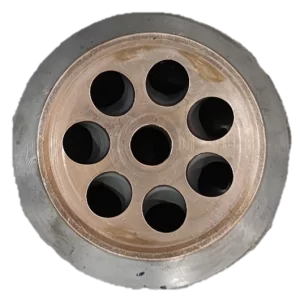
Cylinder Block – Heat Treated Steel
As a central rotating element, the cylinder block houses multiple axial pistons arranged in a circular configuration. It acts as the primary torque-transmitting member, directly interacting with the drive shaft to convert hydraulic energy into mechanical rotation. This critical component is manufactured from Heat-Treated Steel.
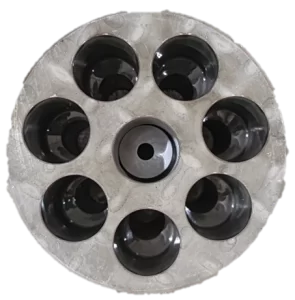
Axial Pistons – Hardened Steel
These precision-machined components reciprocate axially within the cylinder block under hydraulic pressure. They are instrumental in converting hydraulic energy into mechanical force, which in turn contributes to torque generation as they act upon the swash plate or rotating group. The pistons are made from Hardened Steel.
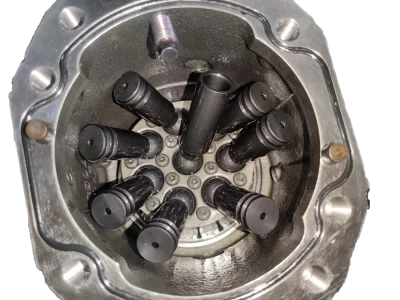
Valve Control Housing – FG Cast Iron
A stationary component, the valve plate contains a series of ports and timing grooves crucial for regulating the inflow and outflow of hydraulic fluid to and from the piston chambers. Its design ensures proper phasing of fluid distribution, which is vital for efficient operation. Like the main housing, this component is made from FG (Flake Graphite) Cast Iron.
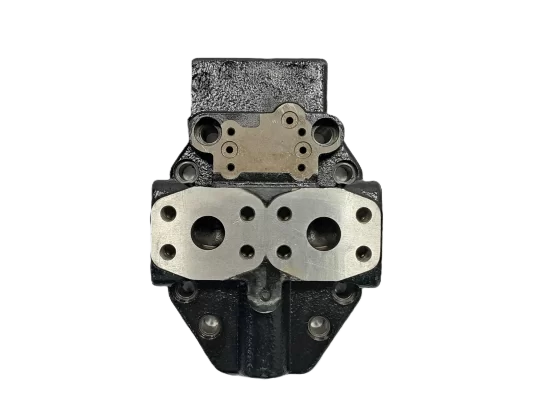
Drive Shaft – Alloy Steel
Mechanically coupled to the cylinder block, the drive shaft is the conduit for transmitting the mechanical load generated by the motor. Its material, Alloy Steel, is selected for its strength and durability.
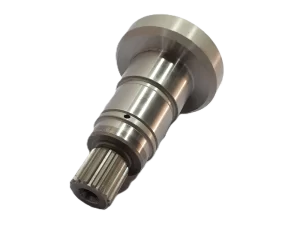
Bearings
Essential for supporting rotating elements such as the drive shaft and cylinder block, bearings minimize frictional losses and wear. They are indispensable for maintaining alignment and ensuring reliable, long-term performance under high load and speed conditions. The types identified in this motor include Needle bearings and Ball bearings.
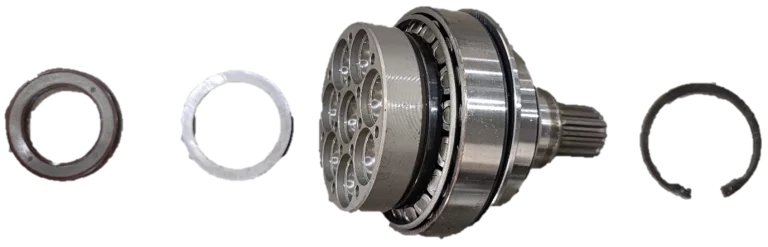
Material Selection Strategy in Hydraulic Motor Design
The selection of materials for each component reflects a deliberate engineering strategy, balancing performance requirements with manufacturing considerations.
FG Cast Iron is chosen for the housing and valve control housing due to its favorable damping properties, machinability, and relatively lower cost for large, complex castings. In contrast, Heat-Treated Steel for the cylinder block and Hardened Steel for the pistons are selected for their superior strength, wear resistance, and fatigue life. Similarly, Alloy Steel for the drive shaft is chosen for its high tensile strength and torsional rigidity.
This pattern highlights a calculated engineering trade-off: utilizing cost-effective, easily processed materials for bulk, static components, while reserving higher-performance, more expensive, and specially treated steels for critical, dynamic, load-bearing parts.
How Hydraulic Motors Work: The Bent-Axis Design Principle
The hydraulic motor studied employs a bent-axis design, a configuration that sets the cylinder block and the drive shaft at a specific angle to each other. As pressurized hydraulic fluid enters the motor, it exerts force on the pistons, causing the cylinder block to rotate. The inherent angle between the shaft and the cylinder block translates this rotational motion into the rotation of the drive shaft, thereby producing torque. A key feature of this design is its variable displacement capability.
Key Features
- Variable displacement for flexible operation
- High pressure range (up to 450 bar continuous, 500 bar peak)
- Bent-axis design for higher efficiency and power density
- Wide displacement range (28 to 1000 cm³)
- Modular options for easy integration
- High-speed capability with optional flushing and boost pressure
Applications
- High Torque at Low Speed
- Compact Size for Integration
- Variable Displacement for Efficiency
- Robust Design for Heavy-Duty Use
- Reliable Performance in Harsh Environments
03BOM & Weight Analysis
Deconstructing Value: Bill of Material (BOM) Analysis of a Hydraulic Motor
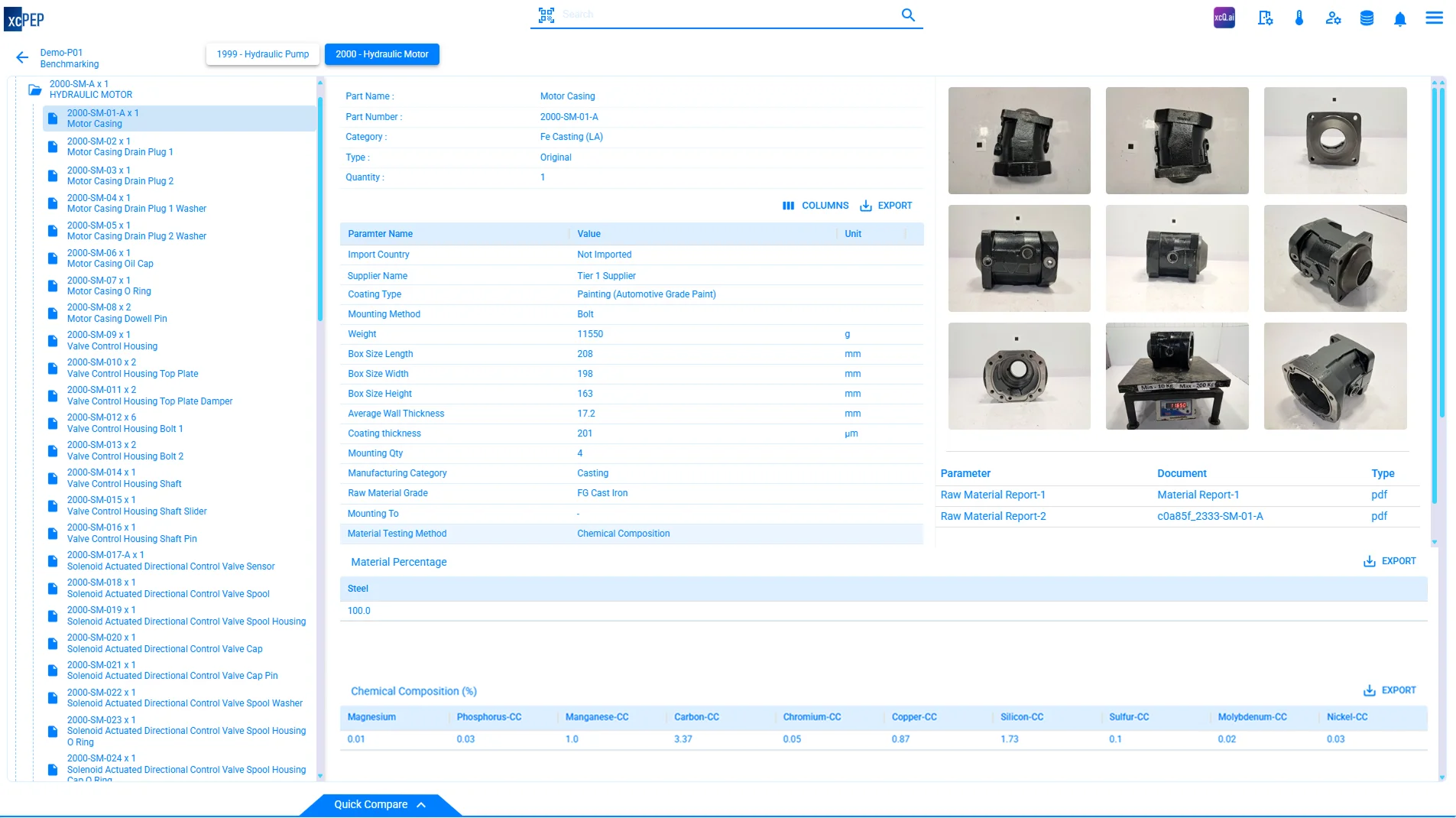
A detailed product teardown of the Rexroth hydraulic motor was undertaken to systematically study its internal components and overall system architecture. Following the physical teardown, a comprehensive Multi-level Bill of Material (BOM) structure was developed, offering granular insights into each individual component and its role within the assembly.
Manufacturing Category-wise Weight vs. Count Comparison
To gain a clearer perspective on design priorities and identify weight-intensive contributors, an analysis was performed evaluating both the quantity and total weight of parts categorized by their manufacturing type.
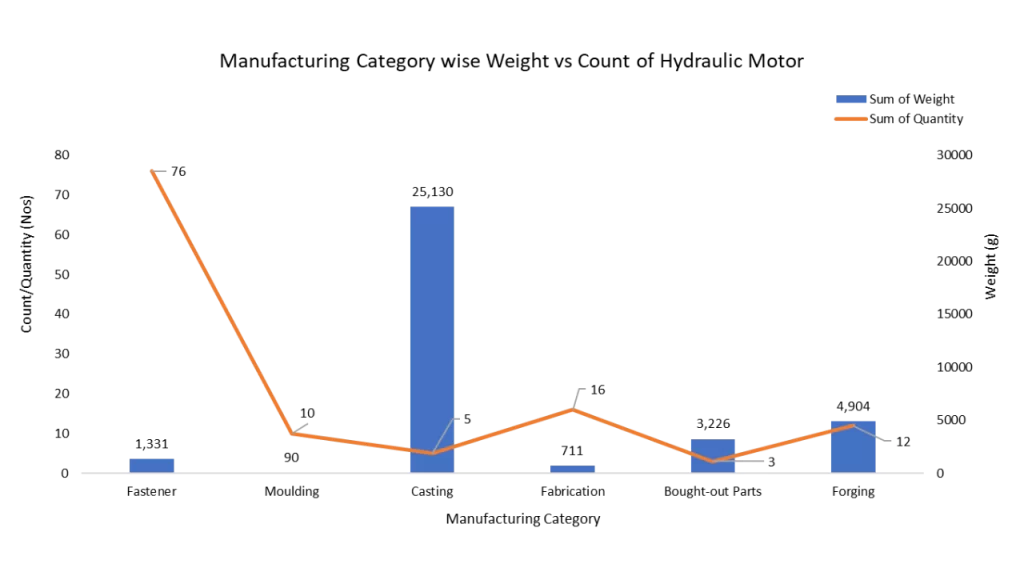
Weight vs. Quantity Insights
- The Casting category dominates the total weight at 25,130 g, despite comprising only 5 components, suggesting these are the primary structural elements.
- Fasteners are the most numerous, with 76 items, but their combined weight is only 1,331 g, indicating they are small but essential for assembly integrity.
Category-specific Observations
- Forging components contribute 4,904 g across 12 items, likely representing key load-bearing parts.
- Bought-out Parts, though limited to just 3 items, weigh in at 3,226 g, suggesting dense or precision-engineered elements sourced externally.
- Fabrication accounts for 711 g from 16 components, probably supporting structures or brackets.
- Mouldings make up the smallest weight segment (90 g) across 10 items, possibly representing non-load bearing parts.
Hydraulic Motor Weight Pareto Analysis
As part of a detailed teardown, BOM, and should cost analysis study, we performed a comprehensive bill of material exercise to identify weight contributors across the assembly. The resulting Weight Pareto Analysis reveals that a small number of components contribute to a majority of the total weight.
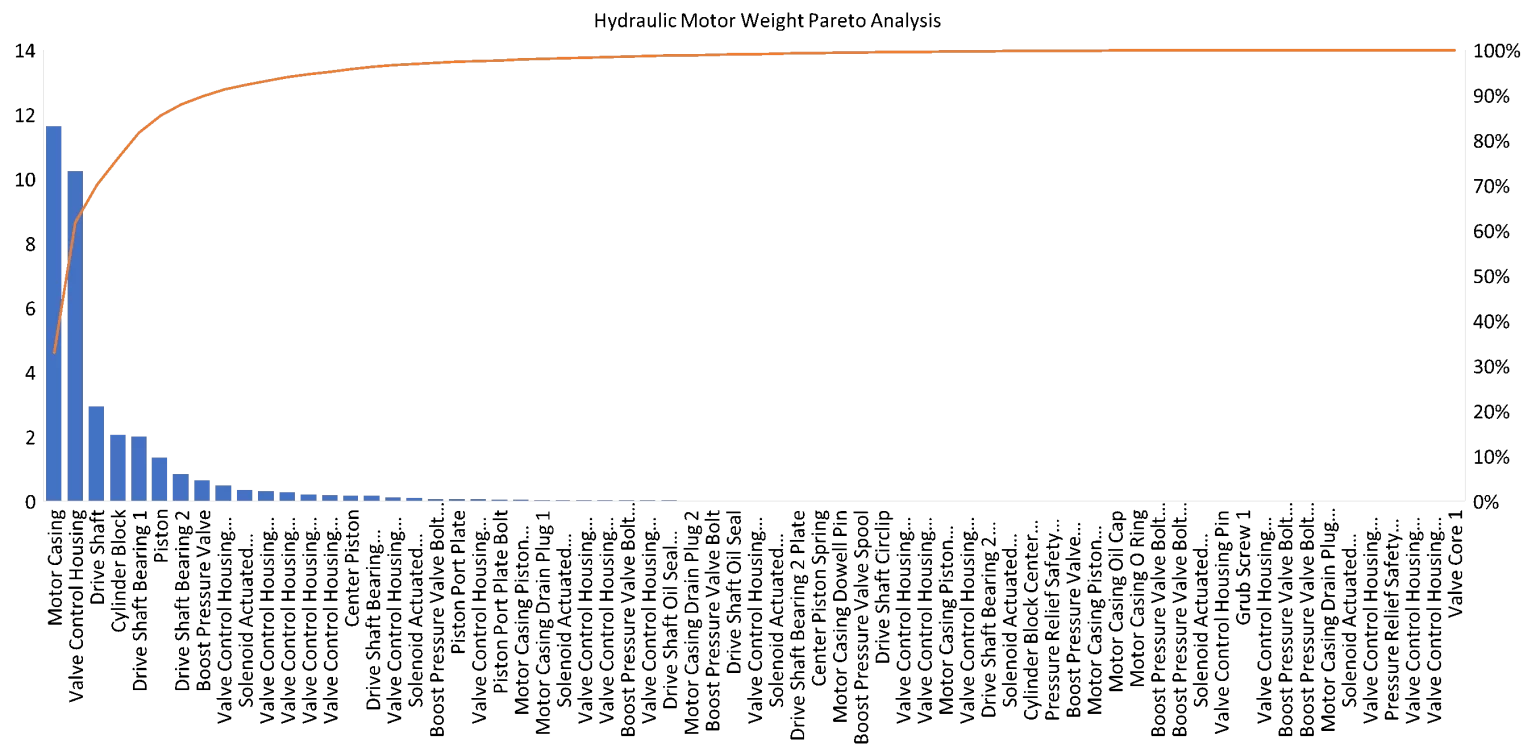
Key Insights from Weight Pareto
- The top 3 components - Motor Casing, Valve Control Housing, and Drive Shaft - contribute over 60% of the total assembly weight.
- Drive Shaft and Cylinder Block, though smaller in number, are significant contributors and should be evaluated for alternate materials or hollow designs.
- Beyond the top 20 parts, over 100 components each contribute less than 0.5% to total weight - these include fasteners, dowel pins, springs, and seals.
04Should Cost Analysis
The True Cost Revealed: Hydraulic Motor Should Cost Analysis
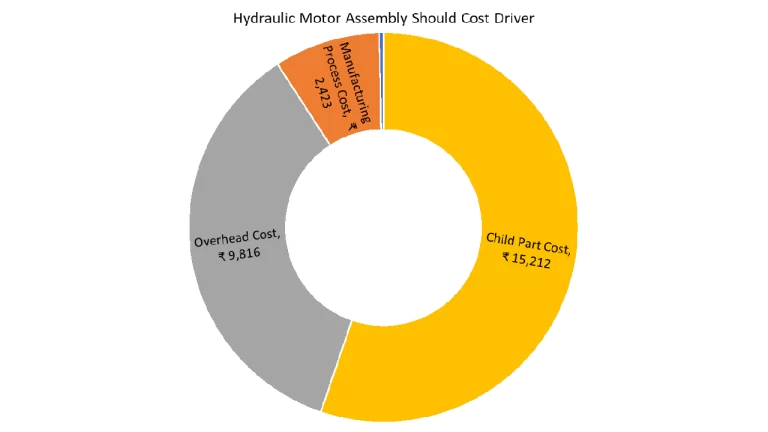
Should Cost Drivers of Hydraulic Motor
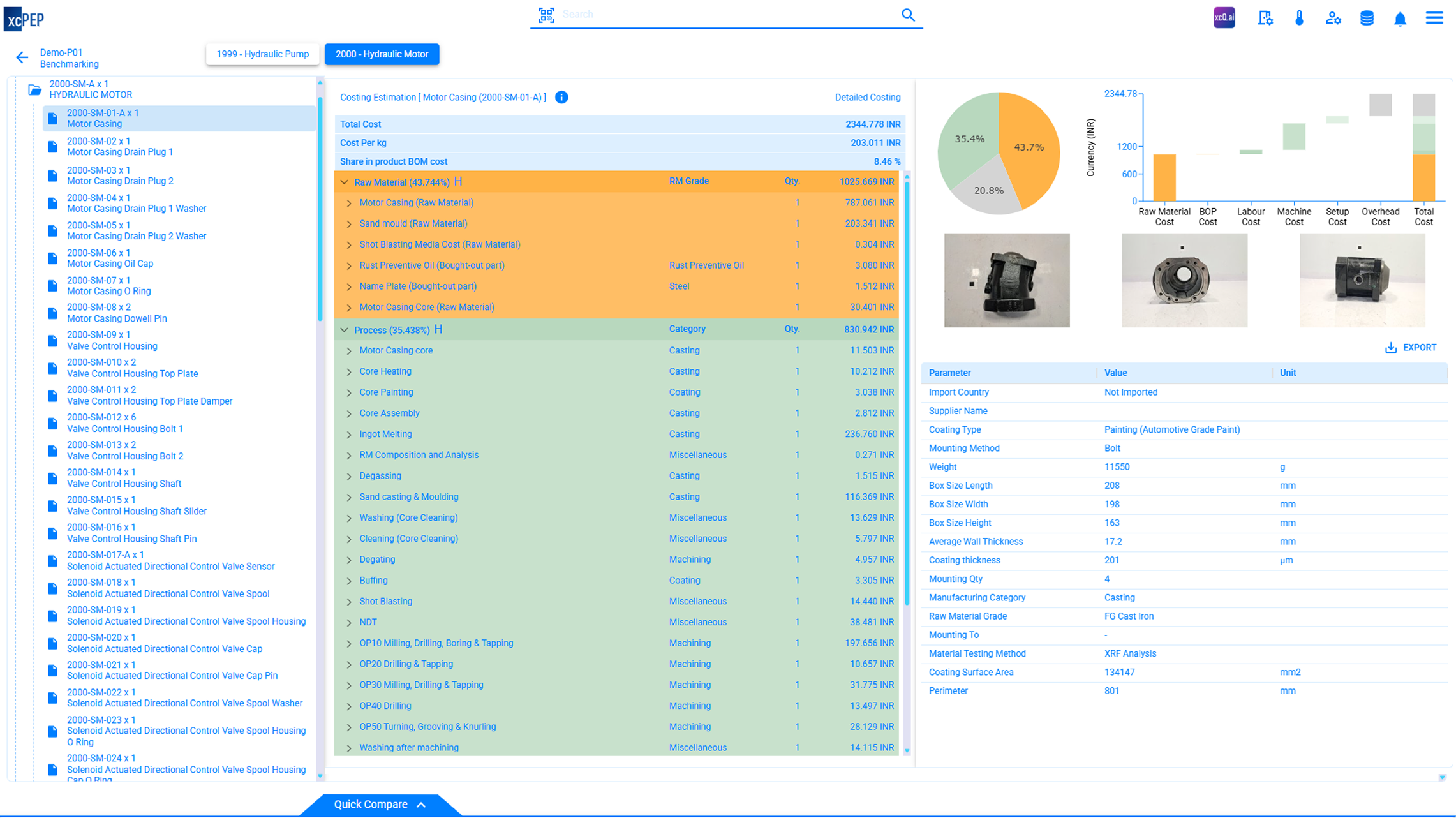
We have conducted a last-level teardown of the hydraulic motor. In the cost analysis analysis, data related to various part attributes were mapped and analysed to gain a detailed understanding of the entire hydraulic motor assembly.
A comprehensive teardown, Bill of Material and Should Cost Analysis analysis was carried out, resulting in a calculated manufacturing cost of INR 27,550.42. The following considerations were factored:
- The hydraulic motor is manufactured in Bengaluru, India
- The production volume considered was 2,500 units annually
- The latest material rates and MHR calculations were based on Q4 FY24–25 data
Manufacturing Category-wise Should Cost Analysis
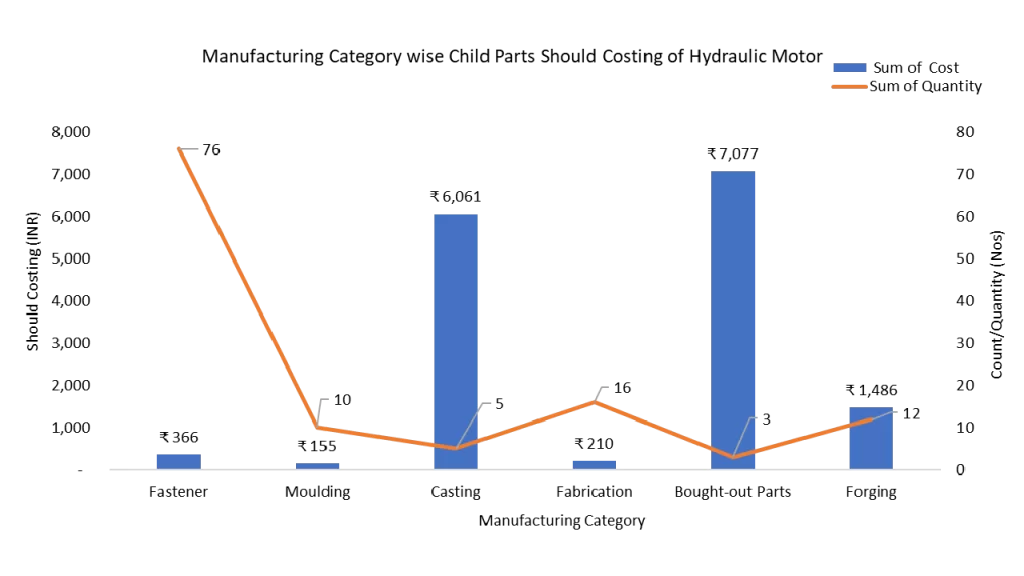
In the teardown analysis, it's essential to examine not only the quantity of parts but also their corresponding should cost. This breakdown helps identify cost-intensive elements and guides value engineering efforts.
Cost vs. Quantity Insights
The Bought-out Parts category contributes the highest total cost at ₹7,077, despite comprising only 3 components, indicating high-value, possibly precision or proprietary items sourced externally.
Category-specific Observations
- Casting components account for ₹6,061 from just 5 items, suggesting major structural or machined parts.
- Fasteners are the most numerous with 76 pieces, but their total cost is only ₹366.
- Forging components cost ₹1,486 across 12 items, indicating strength-critical parts.
- Fabrication involves 16 parts at ₹210.
- Moulding parts have the lowest cost at ₹155 for 10 items.
05Insights & Conclusion
Design-to-Cost Initiatives and Material Alternatives
The Weight Pareto Analysis specifically identified the Motor Casing, Valve Control Housing, and Drive Shaft as collectively contributing over 60% of the total assembly weight. This concentration provides a clear directive for design-to-cost initiatives. Exploring lighter alloys, advanced composites, or innovative structural designs that reduce material usage without compromising integrity can lead to substantial weight reductions. Such modifications not only lower material costs but also positively impact shipping expenses.
Procurement Strategy and Value Engineering Potential
The should cost analysis demonstrated that "Bought-out Parts" represent the highest total cost contributor, accounting for ₹7,077 from just 3 components. This finding is critical for shaping procurement strategies. These components are prime targets for intensive supplier negotiation, exploring second-sourcing options, or even considering in-house manufacturing.
Design for Manufacturability (DFM): Reducing complexity, minimizing assembly steps, and simplifying specialized processes.
Design for Assembly (DFA): Streamlining how parts fit together to reduce manual labor time.
Supply Chain Optimization: Negotiating better prices for bought-out parts, identifying alternative suppliers, or strategically insourcing production.
The detailed "should cost" figure, coupled with specific parameters like manufacturing location (Bengaluru), annual volume (2,500 units), and data currency (Q4 FY24–25), serves as a powerful external benchmark for supplier negotiations and competitive intelligence.
Conclusion: Leveraging Teardown and Should Cost Analysis for Competitive Advantage and Innovation
The detailed hydraulic motor teardown and subsequent should cost analysis provide invaluable insights into the intricate relationship between design, manufacturing processes, and overall product cost. The analysis clearly identified major weight contributors (Motor Casing, Valve Control Housing, Drive Shaft) and primary cost drivers (Bought-out Parts), demonstrating that weight and cost do not always correlate directly.
The findings underscore that while heavy structural components dictate overall mass, high-value, often proprietary, bought-out parts significantly influence the final manufacturing cost. This distinction necessitates a multi-faceted approach to cost reduction.
Product optimization through teardown and should cost analysis is not a one-off event but rather an ongoing, iterative process. Companies that regularly perform such analyses are better equipped to adapt to market changes, identify emerging opportunities for cost savings, and drive continuous innovation. The systematic approach facilitated by platforms like xcPEP® transforms raw data into actionable business intelligence, making complex engineering and cost analyses repeatable and scalable across an entire product portfolio.
Software Platforms Used
Should Cost Software
xcPEP delivers real-world accurate, transparent & defensible should cost analysis of mechanical, electrical & electronics components from drawings or physical parts.
Explore xcPEP →
Should CostData
xcPROC is the centralized database engine powering xcPEP. Built entirely by ASI's data research team, each database is meticulously curated to be region-specific and time-specific.
Explore xcPROC →